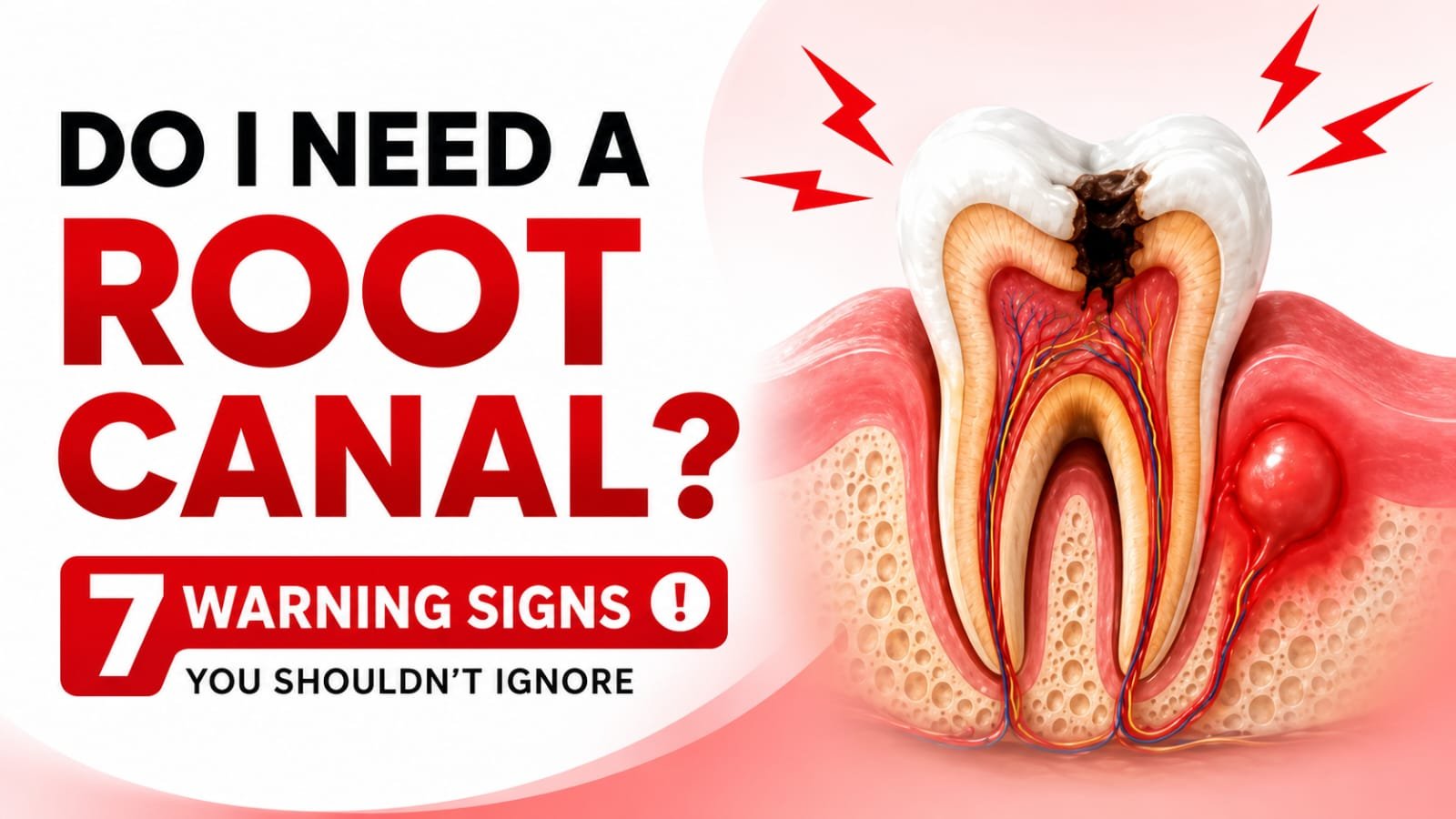
When Do You Really Need a Root Canal? 7 Signs You Shouldn’t Ignore
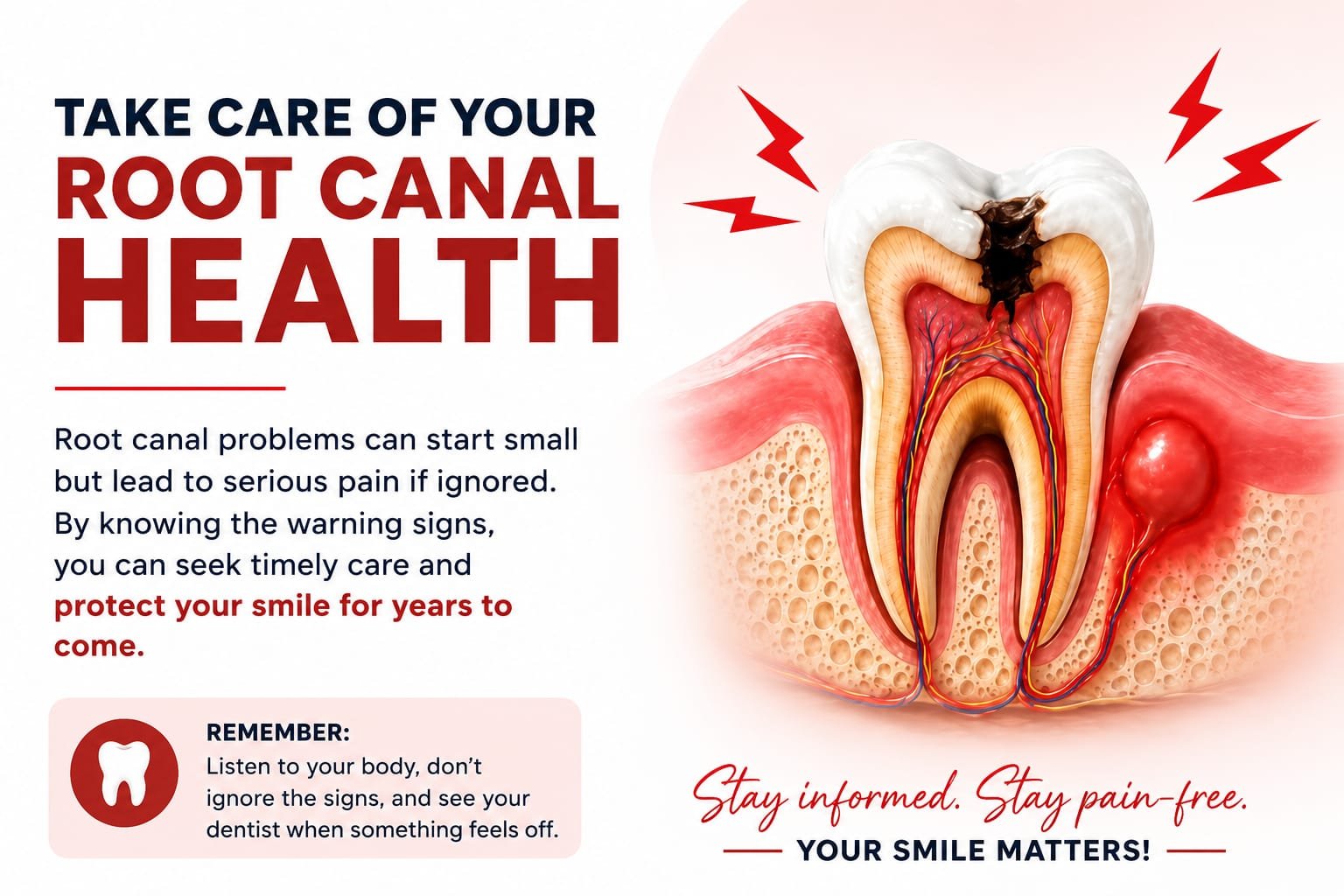
Tooth pain has a way of showing up at the worst possible time — and it’s tempting to just pop a painkiller and hope it goes away. But sometimes, that ache is your tooth telling you something more serious is going on inside it. A root canal is one of the most common ways dentists treat an infected or damaged tooth, and catching the warning signs early can mean the difference between saving your natural tooth and losing it.
Here are seven signs that it might be time to see your dentist about a possible root canal.
1. Persistent or Severe Tooth Pain
Occasional sensitivity is normal, but pain that lingers for days, throbs on its own, or wakes you up at night is a red flag. This kind of pain often means the pulp (the soft tissue inside your tooth) is inflamed or infected, and it usually won’t resolve on its own.
2. Sensitivity to Hot and Cold That Lingers
Feeling a quick zing when you sip something cold is common. But if the discomfort lingers for 30 seconds or longer after the hot or cold sensation is gone, it could mean the nerve inside your tooth is damaged and needs attention.
3. Swollen or Tender Gums
Swelling near a specific tooth — especially if it comes and goes — can signal an infection at the root. The gum tissue may feel tender to the touch or look puffy compared to the surrounding area.
4. A Pimple-Like Bump on the Gums
This is often overlooked, but a small bump (sometimes called a “gum boil” or fistula) near a tooth is one of the clearest signs of infection. It may drain pus occasionally, which can cause an unpleasant taste or odor.
5. Tooth Discoloration
A tooth that starts turning gray, dark yellow, or black compared to the teeth around it may indicate that the nerve inside has died. This usually happens after an injury or deep decay and is a strong indicator that a root canal may be needed.
6. Pain When Chewing or Touching the Tooth
If biting down or even light pressure on a tooth causes sharp pain, the nerve or surrounding tissue may be inflamed or infected. This is different from general jaw soreness — it’s usually isolated to one tooth.
7. A Cracked or Chipped Tooth
Trauma to a tooth doesn’t always mean visible damage on the surface. A crack can expose the inner pulp to bacteria, leading to infection even if the tooth still looks mostly intact.
Don’t Wait Until It Gets Worse
Root canals have a reputation for being scary, but modern techniques make the procedure comfortable and highly effective at relieving pain — not causing it. Ignoring these symptoms won’t make the underlying issue go away; it usually just gives the infection more time to spread, which can lead to more complex treatment or even tooth loss.
If you’re experiencing any of these signs, don’t wait it out. Schedule a visit with our team so we can evaluate your tooth and recommend the right treatment before things get worse.
Ready to get your tooth checked? Contact Us Today to book an appointment with our dental team.